
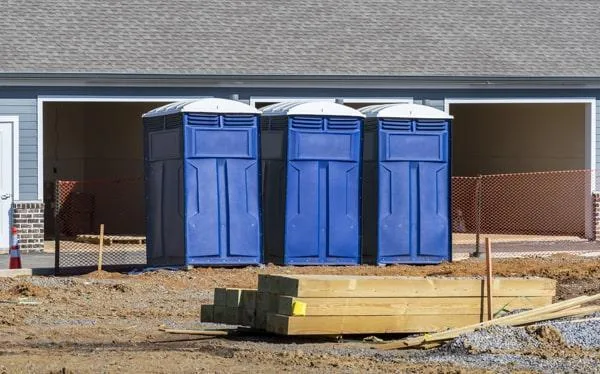
Describe the facilities the crew will rely on
A standard self-contained cabin provides a private toilet where a permanent facility is unavailable or unsuitable for the intended use. A separate handwashing station can add soap-and-water washing. Broader-access formats or another equipment arrangement may be needed for particular users, but the actual model and usable approach should be confirmed rather than inferred from a product label.
Existing bathrooms can be part of the assessment only if workers are permitted to use them and they remain available during the relevant hours. Explain any interruption, restricted access or work area that makes an existing facility impractical. That allows the temporary rental to address the actual gap rather than duplicate a facility that is already dependable.
Give the use pattern, not just the project length
Tell the supplier which people are present at the same time, how long they remain and whether shifts or subcontractors change the pattern. A small crew using facilities throughout the day and a larger group arriving briefly are different requests. Do not describe the number of trades as though it were the number of people who will use the toilets.
California construction sanitation orders address employer responsibilities for toilet and washing provision. A rental request should help the responsible site team work through those obligations; it is not a compliance certificate and this guide does not replace the applicable requirements with a universal rental ratio. Discuss the proposed quantity and its assumptions explicitly.
Review the scope when the work pattern changes
If a new phase adds people, longer hours or another active area, compare that use with the order already accepted. The appropriate response might involve a different equipment mix, additional units or revised servicing, but it needs review. Extending the calendar alone does not tell the provider that usage has increased.
The same applies when permanent bathrooms become available or some crews leave. Ask whether the temporary arrangement should change rather than removing equipment that remaining workers still rely on. Describe the changed facts clearly so the supplier and site lead can agree what stays, what changes and when the revised scope takes effect.
Include servicing and site responsibilities in the quote
The proposed position must work for workers and for the provider’s delivery and service vehicle. Identify a site contact, gate arrangements and any planned storage or traffic change that could obstruct the agreed route. Supplier servicing is separate from the site’s responsibility to keep access clear and report a damaged, unusable or under-supplied facility.
Ask the quotation to identify rental period, equipment, delivery, collection, scheduled care and included supplies. Ordinary handwashing also differs from specialist washing needed for certain work; describe that requirement instead of assuming a portable basin covers it. Resolve the final collection arrangement around the people still using the site, not only the project’s headline finish date.
Questions before you book
Can I order solely from the number of project days?
The period matters, but so do the people, hours, existing facilities and use pattern. Give those details and ask what equipment and service assumptions the quotation uses.
Does an ordinary cabin include handwashing?
Do not assume it does. Confirm the actual unit and arrange a suitable separate station or identified in-unit washing option, including supplies and care.
Does delivery of a toilet make the site compliant?
No. The responsible employer and site team must address applicable requirements and actual conditions. Equipment choice, access, maintenance and washing all need consideration.
What should we do when another crew joins the project?
Report the revised number and pattern of users and ask whether the accepted equipment or care scope needs changing. Do not assume an existing order expands automatically.