
Keep the reserved picnic space distinct from the surrounding park
Yreka’s observed 2025 park application distinguishes the reserved picnic area from wider park use and includes setup and cleanup in the requested time. Use those distinctions to ask about the current agreement for the actual area. The dated form does not confirm a booking, today’s fees or permission to occupy adjoining space.
Mark where the gathering, temporary equipment and visitor approach are proposed within that accepted arrangement. A unit fitting beside the tables is not evidence that an adjacent lawn or public route belongs to the reservation. If the available footprint cannot accommodate the intended functions, ask the operator about a revised arrangement before committing equipment to it.
A permitted position is not a permitted vehicle route
The application addresses lawn vehicles separately, which matters when delivery or recovery would cross grass. Describe the actual vehicle approach to the operator and provider. Do not infer a right to drive on the lawn from the right to hold the picnic, and do not tell the provider that an unconfirmed route has been approved.
Consider the return operation as well as delivery. If visitor furniture or another event element will later block the accepted working space, decide how that obstruction will be removed before the collection appointment. Where the route itself is not permitted, clearing chairs will not solve it: obtain an approved different position or arrangement. Do not ask guests to move the rental unit by hand to reach a truck.
Separate event cleanup from rental servicing and recovery
Identify who clears the gathering’s rubbish and leaves the booked area in the condition required by the operator. Those duties are different from the supplier’s waste servicing and removal of rented toilets or washing equipment. Do not assume the cabin collection includes the event’s general trash, or that taking away rubbish means the rental equipment has been collected.
Include the provider operation in the setup and cleanup discussion and confirm the accepted occupation period. Name the person who can make the agreed working space available and deal with an access problem after guests leave. If collection cannot fit the current arrangement, resolve it with both parties rather than leaving equipment behind on the assumption that ordinary event cleanup ends the organizer’s site responsibilities.
Choose the functions that work within the accepted arrangement
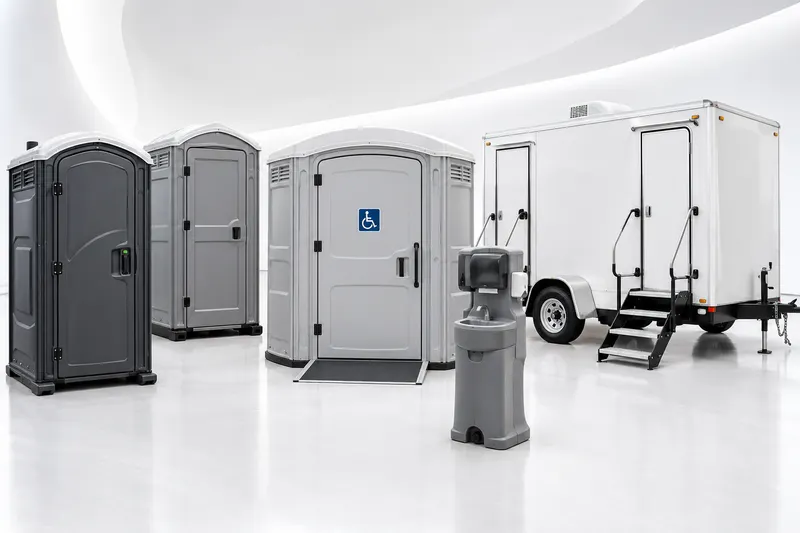
A standard self-contained cabin can address private toilet use; ordinary washing may require a separate station with water, soap, drying and appropriate care. Ask about a broader-access model and a usable approach for people who need it. Confirm any existing restrooms you intend to count instead of assuming the entire park’s facilities are part of the booking.
Enhanced cabins or trailers need their actual features and support reviewed. The observed application requires coordination for electricity and describes Upper Greenhorn without it, so do not infer power at the proposed position. Give the supplier the exact area, address, users and dates, and request equipment, supplies, care, delivery and collection against the approved footprint and access—not a general promise of service anywhere in Yreka.
Questions before you book
Does a picnic reservation allow the delivery vehicle onto the lawn?
Do not assume it does. The observed application treats lawn vehicles separately. Ask the operator and provider to confirm the actual approach under the current agreement.
Why check collection access before the picnic?
The unit may fit while the provider’s working route is unavailable. Resolve the position, permitted vehicle approach and removal of temporary obstructions before relying on collection.
Does the rental provider remove all event rubbish?
Do not assume that. Clarify the organizer’s site-cleanup duties separately from the quoted equipment servicing and collection.
Can we use the wider park if the booked area becomes crowded?
A reservation should not be treated as authority to expand into adjacent space. Review the proposed layout with the operator and confirm any effect on equipment, visitor routes and provider access.